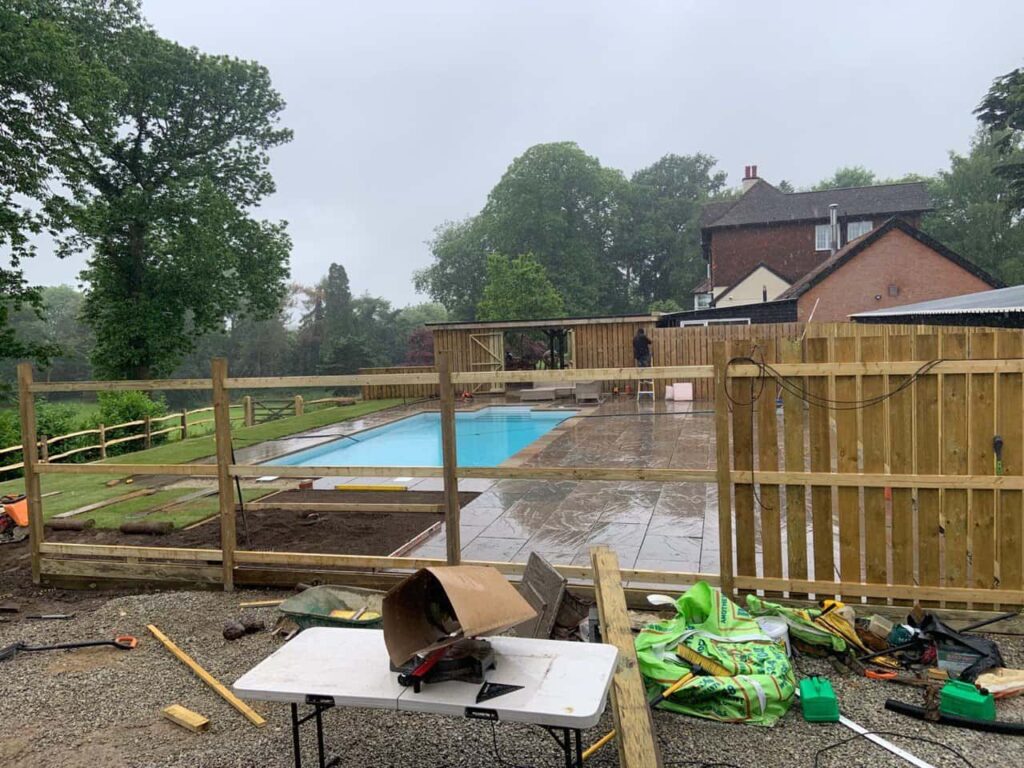
Fence Repairs vs Replacement: How to Decide
Fencing plays an important role in defining boundaries, enhancing privacy and protecting gardens. Over time, exposure to wind, rain and natural wear can leave panels weakened or posts unstable. When damage occurs, many homeowners face the same question: should the fence be repaired, or is full replacement the better option?
For property owners in Gillingham, Kent, making the right decision depends on the condition of the structure, the extent of the damage and long-term performance goals.
When Fence Repairs Are the Sensible Choice
In some cases, targeted repairs are both practical and effective. Minor issues do not always require a complete overhaul.
Localised Damage
Repairs are often appropriate when:
- One or two panels have been damaged by wind
- A single post has become loose
- Small sections show early signs of wear
If the rest of the fence remains structurally sound, replacing isolated components can restore stability and appearance without disturbing the entire boundary.
Preserving a Relatively New Fence
If the fencing is only a few years old and the materials are still in good condition overall, professional repairs can extend its lifespan significantly. Reinforcing posts, securing fixings and replacing individual panels can provide renewed strength.
Signs Replacement May Be the Better Option
There are situations where ongoing repairs may no longer be practical or effective.
Widespread Structural Weakness
If multiple posts are leaning or rotting, or if several panels are cracked or warped, the integrity of the whole fence may be compromised. Repeated small repairs may not address the underlying weakness.
Age-Related Deterioration
Timber fencing naturally degrades over time. When large sections show signs of rot, splitting or instability, full replacement ensures a fresh, reliable structure rather than piecemeal fixes.
Inconsistent Appearance
Older fencing that has been repaired multiple times may appear mismatched or uneven. A complete replacement can restore a uniform, tidy finish that enhances the overall look of the garden.
Considering Long-Term Performance
When deciding between repair and replacement, it is helpful to think beyond the immediate issue. Questions to consider include:
- Is the damage likely to recur in other sections?
- Are the posts securely anchored?
- Does the fence still meet your privacy needs?
A professional assessment provides clarity and ensures the chosen solution supports long-term durability rather than short-term convenience.
The Importance of Professional Advice
Determining whether to repair or replace requires careful evaluation of the entire boundary, not just the visibly damaged area.
Working with experienced local specialists such as Fast Fix Fencing Gillingham ensures homeowners in Gillingham receive honest, practical guidance tailored to their fencing condition. Skilled assessment helps identify whether targeted repairs will provide lasting results or whether replacement offers better long-term value.
Conclusion
Choosing between fence repairs and full replacement depends on the scale of damage, the age of the fencing and the overall structural condition. Minor, localised issues can often be resolved effectively through professional repairs. However, widespread deterioration may make replacement the more reliable solution.
For homeowners in Gillingham, Kent, seeking professional advice is the best way to ensure your fencing remains secure, stable and visually appealing. A careful assessment today can help you make a confident decision that protects your property for years to come.
Call us on: 01634 564 194
Click here to find out more about Fast Fix Fencing Gillingham
Click here to complete our contact form and see how we can help with your fencing needs.