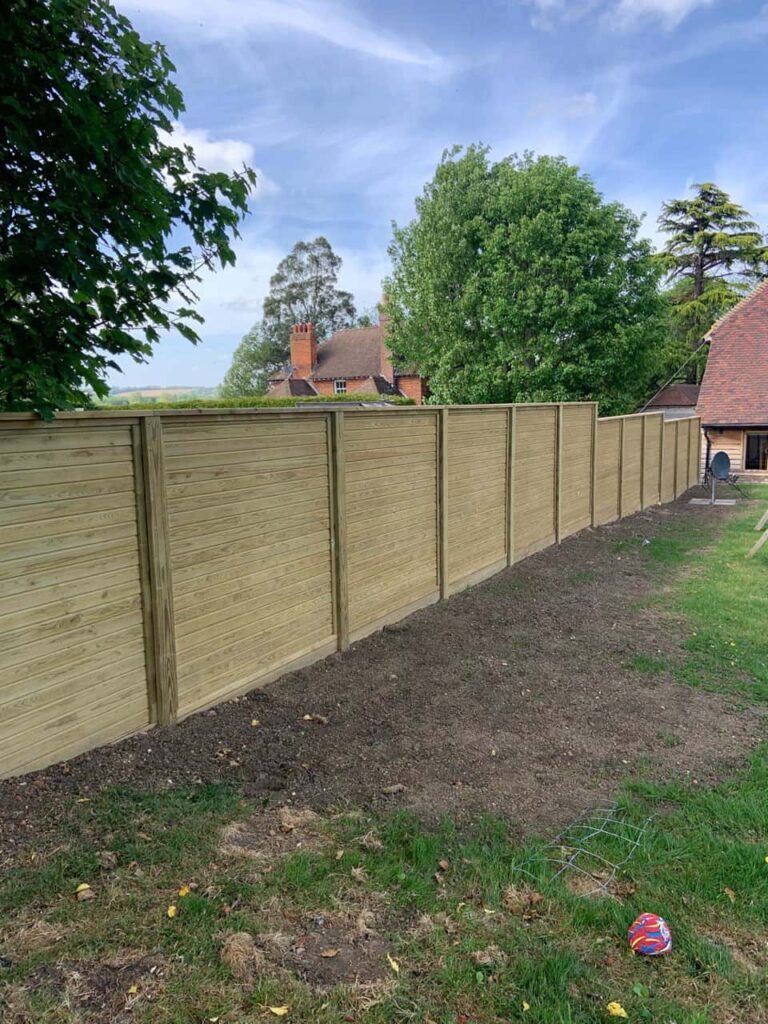
Wood Fence Panels: How to Choose the Best Style for Your Garden
Wood fence panels are a popular choice for gardens because they offer privacy, define boundaries and complement a wide range of outdoor spaces. With different designs, heights and finishes available, choosing the right panels involves more than simply selecting a style you like. It is also important to consider how the fence will perform, how much privacy you need and how well it will suit your garden’s layout.
For homeowners in Gillingham, Kent, the right wooden fencing can improve the appearance and practicality of an outdoor space. Fast Fix Fencing Gillingham helps property owners choose and install fencing that meets their requirements, with attention to durability, appearance and a secure finish.
How to Choose the Best Wood Fence Panels for Your Garden
The best fence panel depends on the purpose of your boundary, the character of your garden and the level of maintenance you are prepared to undertake. Considering these factors before installation can help you make a more informed decision.
1. Decide How Much Privacy You Need
Privacy is often one of the main reasons for installing wooden fence panels. If your garden is overlooked by neighbouring properties or faces a busy public area, close-boarded panels can provide a solid barrier that limits visibility.
For gardens where privacy is less important, panels with gaps or decorative features may create a more open feel while still defining the boundary. These styles can work particularly well in smaller gardens where maintaining a sense of space is a priority.
Think about which areas need screening before choosing a design. A consistent fence around the entire garden may be suitable, but different sections can sometimes serve different purposes.
2. Compare Popular Wood Fence Panel Styles
Different panel designs offer distinct benefits, so it is worth understanding how each option may suit your property.
Close-boarded panels
Close-boarded fencing is made from overlapping or closely fitted vertical boards. It provides strong privacy and a traditional appearance, making it a practical choice for many residential gardens.
Lap panels
Lap panels feature horizontal timber boards that overlap to create a straightforward, traditional design. They can suit a variety of garden layouts and are often chosen for their simple appearance.
Slatted panels
Slatted fencing uses horizontal or vertical timber strips with gaps between them. This creates a contemporary look and allows some light and airflow through the boundary, although it offers less privacy than a solid panel.
Decorative wooden panels
Decorative designs can introduce visual interest through shaped tops, trellis sections or distinctive board arrangements. They may be particularly suitable where the fence is intended to complement landscaping or create an attractive feature.
When comparing styles, consider both the appearance from inside your garden and how the fence will look from the surrounding property.
3. Choose a Suitable Fence Height
Fence height affects privacy, security and the overall proportions of your garden. Taller panels can provide more screening, while lower fencing may help preserve an open view and prevent a smaller garden from feeling enclosed.
Consider the ground level, nearby buildings and any existing walls or structures when planning the height. Sloping gardens may require a stepped or specially adjusted installation to maintain a neat finish.
The fence should also be proportionate to the garden. A design that works well in a large outdoor space may feel overwhelming in a compact area.
4. Consider Timber Quality and Durability
Wooden fencing is exposed to rain, moisture, sunlight and changing temperatures. The quality and treatment of the timber can therefore influence how well the panels withstand outdoor conditions.
Look for timber suitable for external use and check whether it has been treated to help protect against rot and insect damage. The construction of the panel also matters: securely fixed boards and a sound frame contribute to a more durable fence.
Even good-quality timber benefits from maintenance. Periodically checking for loose boards, damaged sections and signs of deterioration can help identify problems before they affect the entire fence.
5. Think About Your Garden’s Style
A fence should complement the garden rather than compete with it. Traditional close-boarded or lap panels can suit established gardens, while clean-lined slatted designs may work well with contemporary landscaping.
Consider existing features such as patios, decking, planting beds and garden furniture. The timber’s natural colour and any planned stain or finish can also influence the overall appearance.
If you intend to grow climbing plants near the boundary, consider whether the panel design provides suitable support and whether the additional growth could make future maintenance more difficult.
6. Check the Condition of Existing Fence Posts
The strength of a wooden fence depends on more than the panels alone. Posts, fixings and the surrounding ground all contribute to stability.
If you are replacing old panels, inspect the existing posts for movement, rot, cracks or other signs of deterioration. Installing new panels onto weakened posts may lead to further problems, particularly during strong winds.
A professional fencing assessment can establish whether the existing structure is suitable for reuse or whether replacing the posts and associated components would provide a more reliable result.
Maintaining Wood Fence Panels
Regular maintenance helps preserve the appearance and performance of wooden fencing. Remove excessive soil and plant growth around the base where practical, check for loose fixings and address damaged boards promptly.
Apply a suitable wood treatment when recommended by the product manufacturer, ensuring the timber is prepared correctly before treatment. Avoid allowing vegetation to remain heavily pressed against the panels, as restricted airflow can encourage moisture to remain on the wood.
Following periods of strong wind, inspect the fence from a safe position for leaning posts, loose panels or damaged sections.
Professional Wood Fencing in Gillingham, Kent
Choosing the right fence panels involves balancing privacy, appearance, durability and the layout of your garden. Professional installation helps ensure that the panels are properly aligned, securely supported and suited to the boundary.
Fast Fix Fencing Gillingham can help homeowners in Gillingham, Kent, select suitable wooden fencing and arrange installation according to their garden’s requirements. Whether you need to replace worn panels or install a new boundary, choosing an appropriate design from the outset can make a noticeable difference to your outdoor space.
Conclusion
The best wood fence panels for your garden will depend on the privacy you need, your preferred style, the required height and the quality of the timber. By considering these factors alongside the condition of the posts and the demands of ongoing maintenance, you can choose fencing that is both practical and attractive.
If you are planning a new wooden fence or replacing existing panels, contact Fast Fix Fencing Gillingham to discuss your requirements and arrange professional fencing services in Gillingham, Kent.
Call us on: 01634 564 194
Click here to find out more about Fast Fix Fencing Gillingham
Click here to complete our contact form and see how we can help with your fencing needs.